
Lemonade Station
When life gives you lemons, make lemonade. Everything you need to raise capital, structure deals, and build a fundable business — the playbooks, templates, and data that used to be behind closed doors.
From idea to investment-ready.
Fundraising Playbook
The 7-step journey from preparation to post-investment — demystified.
ExploreFounder's Toolkit
Term sheets, MoIs, shareholder agreements — download and use for free.
ExploreVC & Market Intel
2024 SA venture data — which sectors are hot, where the money flows.
ExploreDeal Structuring
SAFE notes, convertibles, equity rounds — understand before you sign.
ExploreYour first funding round,
step by step
What to expect from first pitch to funds in the bank. A founder-first guide to navigating the VC and angel investment process in South Africa.
Total timeline: 3 – 6 months
From first pitch to funds in the bank. Every round is different — but knowing the process removes the guesswork.
What this means for you
Practical takeaways from the data — whether you are raising your first round or scaling to Series A.
Validate Before You Raise
42.5% of 2024 deals went to Series A. VCs are shifting from early bets to companies with proven traction. Get your unit economics right and show consistent growth before approaching investors.
Build in the Flow
Tech (65.9%) and Health (20%) capture the majority of VC capital. If your startup intersects with FinTech, SaaS, or HealthTech, you are in the sectors where capital is most actively deployed.
Governance Wins Deals
83.3% of VCs prioritise strategic guidance for portfolio companies, with board management as the #2 value-add. Build your governance structures early — it signals investability.
Plan Your Exit from Day One
With only 3 exits recorded in 2024, the SA exit environment is constrained. Think about your exit strategy from the start — whether trade sale, secondary, or international expansion.
Explore Venture Debt
Only 28% of SA VCs have used venture debt, but it is growing globally. If you have existing VC backing, venture debt can extend your runway between equity rounds without dilution.
SA Funding Landscape
2.6M
SMMEs in South Africa
37%
Are formalised
15%
Max PE allocation for pension funds (Reg 28)
R631bn
Total SMME lending in SA
Data Sources
- SAVCA 2025 VC Industry Survey (2024 data)
- Intellidex-SAVCA Institutional Investors Report
- Intellidex-SAVCA Public Policy Report
- SAVCA Private Capital Magazine 2026
Need help navigating the funding landscape?
Our Fundraising Advisory helps first-time founders prepare for investor conversations.
Explore AdvisoryFounder Toolkit
Download draft legal templates to familiarise yourself with the documents you'll encounter during fundraising. Review these before you sit across from an investor.
These are draft templates for educational purposes only. Always consult a qualified attorney before signing any legal documents. #ThisIsNotLegalAdvice
Portfolio
Startups our angel network has invested in

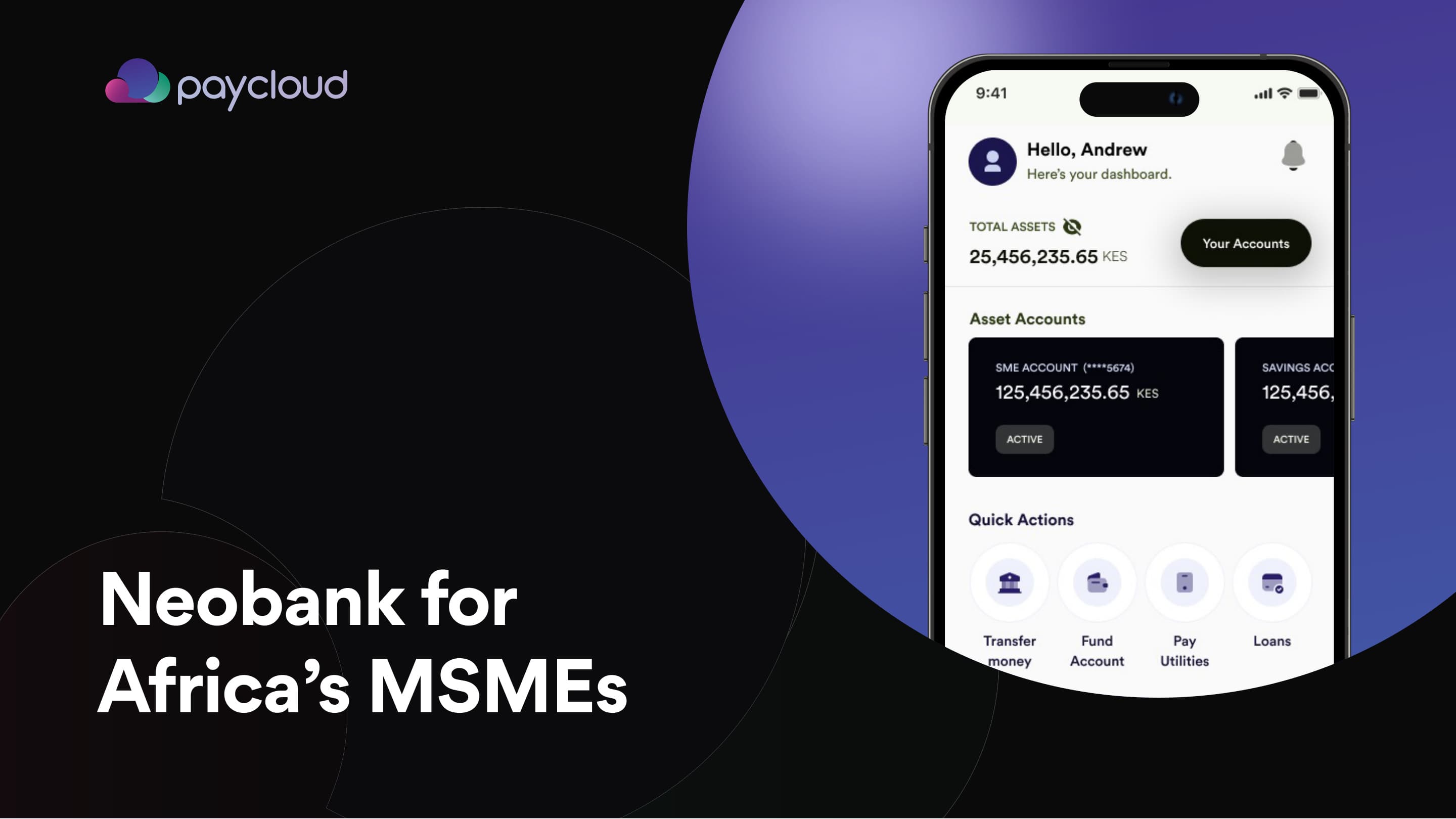
Paycloud
Neobank for Africa’s MSMEs.
Where the money is going
Key trends from the latest SAVCA data for founders raising in SA.
Tech Dominates
Software, FinTech & Online Markets lead SA deal flow.
Health Rising
HealthTech at its highest share since 2015.
Series A Surge
VCs backing validated models over early bets.
Going Global
Record share of funded startups expanding beyond SA.
Diverse Founders
Funded companies with at least one black founder.
Exit Challenge
Lowest exit activity on record — plan early.
Sector allocation & funding stages
Where SA venture capital was deployed in 2024, by sector and investment stage.
Top Sectors by Deal Share (2024)
Investment by Stage (2024)
The Series A Shift
Series A funding surged from 19.6% in 2023 to 42.5% in 2024 — a historic high. This signals a maturing ecosystem where VCs are backing startups that have already validated their business models, rather than early-stage experiments.
Where Deals Happen
52.0%
Western Cape
26.9%
Gauteng
14.6%
International
How startup investments work.
From angel rounds to Series A — understanding deal structures is essential for anyone looking to invest in high-growth ventures.
SAFE Note
Simple Agreement for Future Equity
An agreement where you invest money now in exchange for equity later, usually at a discount to the next funding round.
Convertible Note
A loan that converts to equity at a future funding round, with interest accruing. Similar to a SAFE but structured as debt.
Equity Round
Priced Round
Direct purchase of shares at an agreed valuation. The company issues new shares and you become a shareholder immediately.
Revenue-Based Financing
You invest capital in exchange for a percentage of future revenue until a return multiple is reached. No equity given up.
Glossary
Valuation Cap
Maximum company valuation at which your investment converts to equity.
Dilution
Reduction of your ownership percentage when new shares are issued.
Due Diligence
The investigation process before making an investment decision.
Term Sheet
A non-binding agreement outlining the key terms of an investment.
Cap Table
A table showing the ownership stakes, equity dilution, and value of equity in each round.
Liquidation Preference
Determines who gets paid first (and how much) when a company exits.
Before You Invest
- Never invest more than you can afford to lose entirely
- Diversify across multiple deals — most startups fail
- Understand every term in the agreement before signing
- Ask for references and speak to other investors in the deal
- Verify the company is registered (CIPC) and founders are who they say they are
Stop guessing.
Start building.
Whether you're pitching your first investor or structuring a shareholder agreement — you don't have to figure it out alone.